
Categories
BlogPublished October 16, 2026
What to Expect at a Home Inspection in Sioux Falls (and What to Do With the Results)

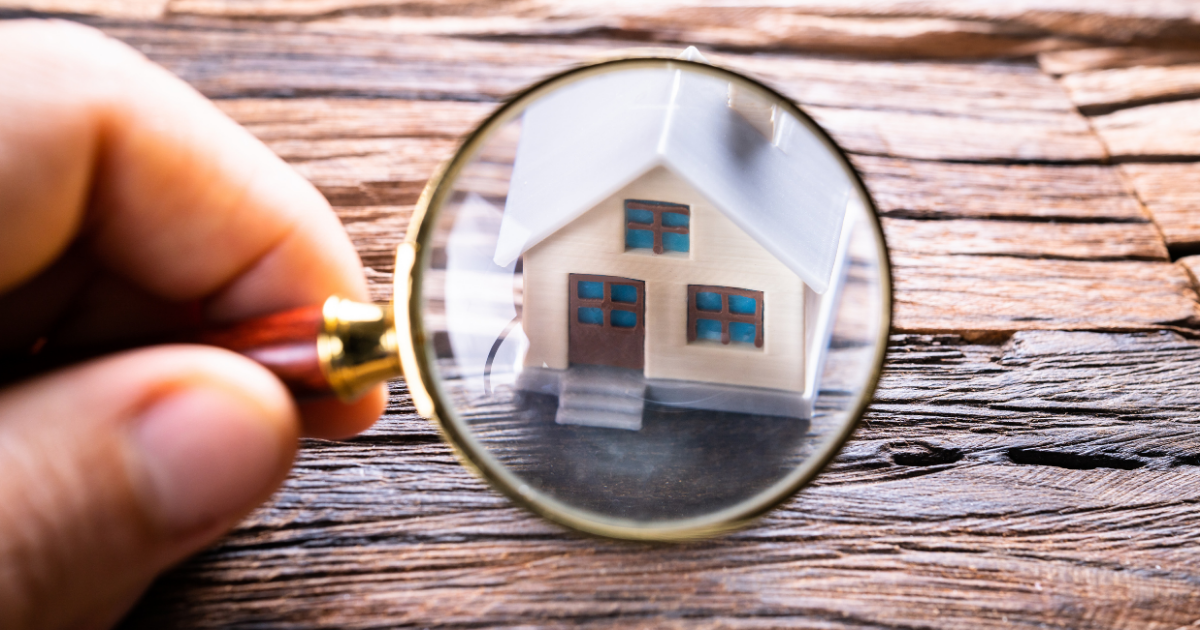
The home inspection is the moment many first-time buyers get nervous. A long report full of findings can make even a great home feel like a disaster. The truth is that almost every home has issues listed in its inspection report, and the skill is knowing which ones actually matter.
Here's what to expect and how to respond.
What an Inspector Actually Checks
A general home inspection is a visual review of the home's major systems and structure. That typically includes the roof, foundation, exterior, plumbing, electrical, heating and cooling, attic, and the condition of visible interior elements. It's a snapshot of the home's condition on that day, not a guarantee about the future, and it doesn't cover everything. Specialized concerns like radon, sewer lines, or pests are often tested separately.
You Should Be There
If your schedule allows, attend the final walkthrough with the inspector. Seeing issues in person, and hearing the inspector explain what's minor and what's serious, gives you context a written report can't. It's also a great chance to learn how your home's systems work, from where the main water shut-off is to how to maintain the furnace.
Not Every Finding Is a Dealbreaker
Inspection reports tend to list everything, including small maintenance items like a loose handrail or a missing outlet cover. These are normal and usually not worth negotiating over. It helps to sort findings into three groups: safety concerns, major system problems, and minor maintenance. The first two deserve real attention. The third is mostly a to-do list for after you move in.
What Deserves Real Attention
Focus on issues that are expensive, safety-related, or could cause further damage if left alone. Signs of water intrusion, foundation movement, an aging roof, or outdated electrical systems are examples that can affect both safety and cost. When something looks serious, it's worth bringing in a specialist, like a roofer or structural engineer, for a more detailed opinion before deciding how to proceed.
Your Options After the Report
Once you have the results, buyers generally have a few paths:
- Ask the seller to make repairs before closing.
- Negotiate a credit or price reduction so you can handle repairs yourself.
- Accept the home as-is if the findings are minor or you're comfortable with them.
- Walk away if the findings are serious enough, within the terms of your contract and its inspection contingency.
The right path depends on what was found, the market, and your own comfort level. Your agent can help you frame requests that are reasonable and more likely to be accepted.
Keep It in Perspective
A thorough inspection feels intimidating, but its purpose is to protect you, not to talk you out of the home. The goal is to buy with open eyes, knowing what you're getting and having a plan for the big items. Buyers who understand the report tend to feel more confident about their purchase, not less.
The Bottom Line
Go to the inspection, ask questions, sort the findings by importance, and focus your energy on the issues that really matter. A good report doesn't mean a perfect home. It means no surprises.

Julie Roth
Realtor® | Sioux Falls & Harrisburg Real Estate Expert | Julie Roth Real Estate
or another way